Heidi Billotto here and today I’m sharing my own homemade pumpkin spice recipe, a place where you can buy a great ready made pumpkin spice, a little pumpkin spice history, and a look at local pumpkin, winter squash, NC sorghum syrup molasses and other flavors of fall.

As it is officially fall, here’s a little-known fun fact about me: I don’t love fall.
I know, I know. The leaves. The color. The crisp air. I get it. I know why all of you say you love it. But I’m a spring and summer girl all the way. And yes, I actually love winter, too.
Fall? No thanks.
And although you can give me a full harvest moon any night of the week, there’s something about the color of the season and even the way the sun shines this time of year that just doesn’t hit with me.
But here we are. So I find my seasonal solace where I often do: in the food.
And in that department, fall gives all of us lots to love.
At area farmers markets, summer tomatoes and cucumbers begin making way for pumpkins and all sorts of hard winter squash. And then there are some of the less expected treasures of the season.
Locally grown chestnuts start to appear. Apples are coming in. Roselle, or hibiscus flowers, bring their brilliant color to market tables from late September into the fall. Check out my recipes for Roselle here.
There’s a lot to cook with, all of it locally grown and available at area markets. I’ll be sharing more about it all in the weeks to come.
Love Pumpkin Spice? Why on Earth Do We Wait?
For now, though, let’s start with pumpkin…. and pumpkin spice.
I love cooking with locally grown pumpkin and winter squash, and I love all the flavors we have come to know collectively as pumpkin spice.
But here’s the funny thing.
Pumpkin may have a season, but pumpkin spice really doesn’t.
Despite the name, there isn’t actually any pumpkin in pumpkin spice. It’s a blend of cinnamon, ginger, nutmeg and other warm spices (think cardamom, black pepper, allspice or star anise). You can even add a little cumin if you’d like a spicier, more savory version. Try it in a fall pork fajita filling sautéed with a mix of local peppers.
Most of these spices are sitting in our spice cabinets all year long.
Which got me thinking: Why on earth do we wait?
I’m happy to wait for locally grown pumpkins and winter squash to arrive at the farmers market. But the spices?
Those we can enjoy whenever we’d like.
Just like Hallmark invented holidays to sell greeting cards, pumpkin spice season has certainly become a marketing moment. And here we all are, waiting until after Oct 1 to order a pumpkin spice latte, much like we once waited for someone to tell us we needed to stop wearing white pants after Labor Day. Who made these rules anyway?
I say, “Walk on the Wild Side.”
Wear white pants in October and enjoy your pumpkin spice latte in spring and summer months, too.
What Is Pumpkin Spice?
Let’s talk pumpkin spice. What’s actually in it, where it came from, how to make your own and why I think a good DIY blend deserves a spot in your spice cabinet long after pumpkin season has come and gone.
Despite the name, there isn’t any pumpkin in pumpkin spice.
Pumpkin spice, also called pumpkin pie spice, is simply a blend of warm dried spices traditionally used to season pumpkin pie and other fall recipes. You see how it got its name.
The exact combination varies from recipe to recipe. Cinnamon generally takes the lead, with ginger and nutmeg close behind. Allspice is often in the mix, and cloves can be added as well.
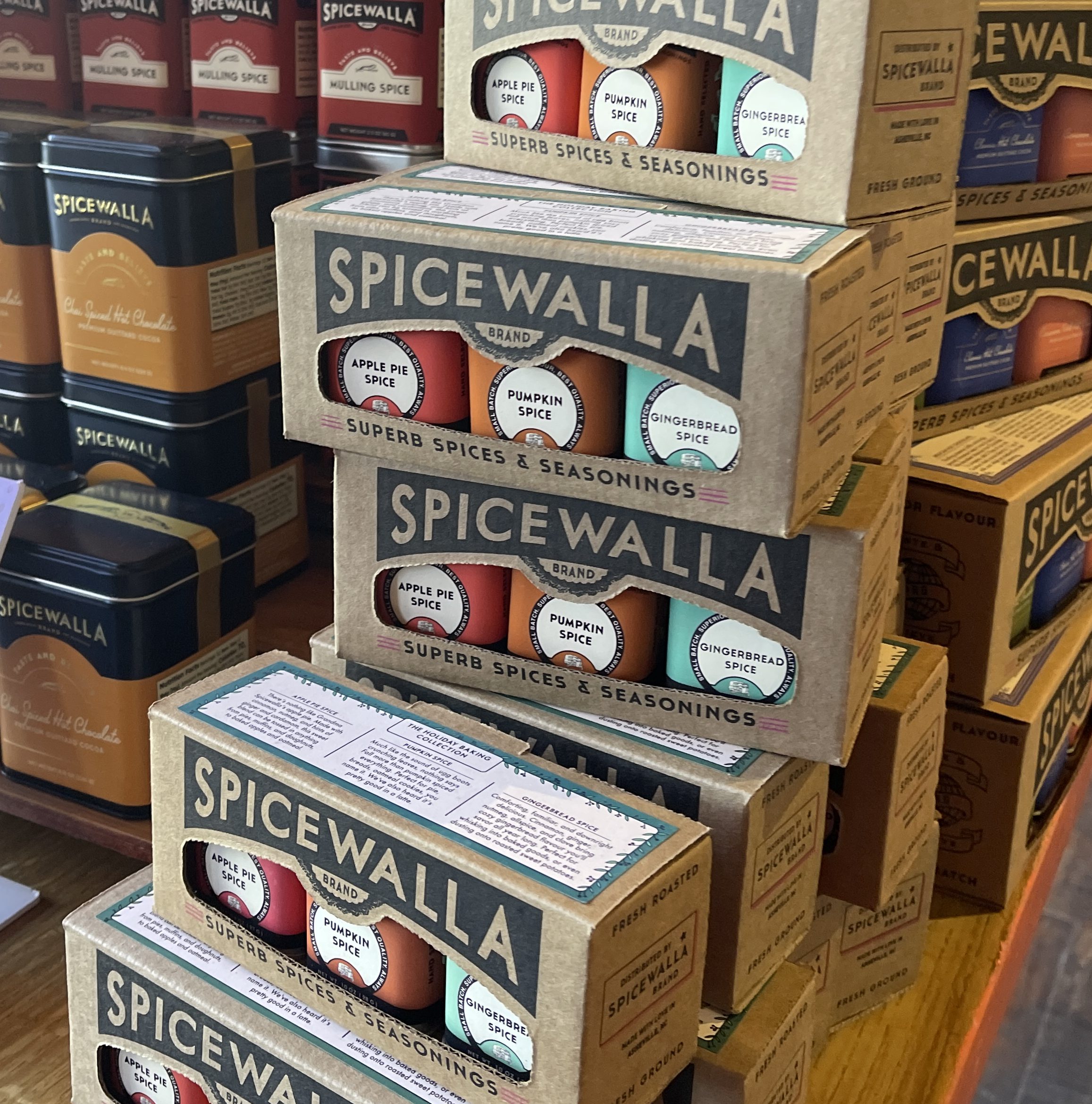
You can certainly buy a ready-made blend. My friends at Spicewalla sell a great one! But if you already have the individual spices in your pantry, it takes just a minute or two to make your own. And then you can use it to make my Pumpkin Streusel Cheesecake recipe, found here in a fun post all about cooking with pumpkin.
I’ve shared versions of homemade pumpkin spice here on the blog before. As with most things I cook, my recipe has changed a little over the years.
That’s part of the fun.
A Little Pumpkin Spice History
As it turns out, seasoning pumpkin with warm spices is hardly a new idea.
In 1796, Amelia Simmons published American Cookery, considered to be one of the the first cookbooks published in the United States. Her recipes included two versions of “pompkin pudding,” an early relative of the pumpkin pie we know today.
The pumpkin was stewed and strained, then combined with eggs and milk or cream. Spices such as ginger, nutmeg and allspice were part of the mix.
So cooks have been pairing pumpkin and spice for a very long time.
The convenience blend came later. McCormick dates its Pumpkin Pie Spice to 1934. Instead of measuring several individual spices, home cooks could reach for one container.
Then, many years later, pumpkin spice took on a life of its own.
When Did the Pumpkin Spice Latte Arrive?
The Starbucks Pumpkin Spice Latte made its debut in 2003.
As the story goes, the Starbucks development team actually tasted pumpkin pie alongside espresso while working on the new drink. The Pumpkin Spice Latte was tested in 100 stores that fall and rolled out nationally in 2004.
And we all know what happened next.
Pumpkin spice moved well beyond pie. Today you’ll find the flavor in coffee and baked goods, and in all sorts of other places.
Here’s another fun fact about me: I don’t love pumpkin spice in my coffee, but I fully support your right to love it. I would never judge, and I do love it in lots of other things.
I also love the history, but what interests me most, as a cook and as a food writer, is still the spice itself.
You don’t have to wait for someone to announce that pumpkin spice season has arrived. If you have the spices in your pantry, you’re ready to go.
My Go-To Spices Come From Spicewalla in Asheville
Freshness makes a tremendous difference when you cook with dried spices. Did you know that dried spices do have a shelf life? That’s right. If you open a jar or a bag or a tin and you can’t smell it right away, it’s probably old. And it’s not adding any flavor to your food.
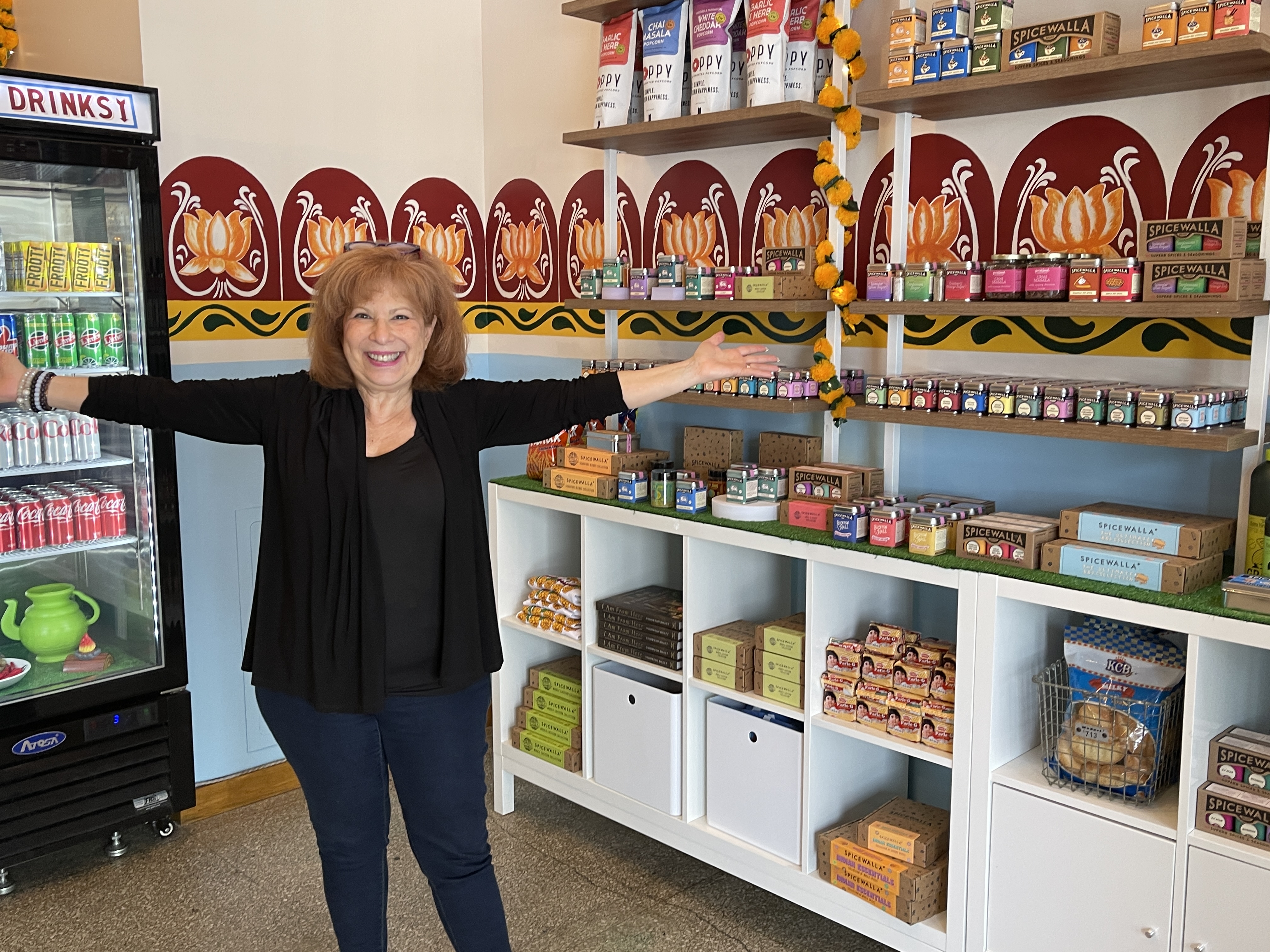
If that jar of cinnamon has been sitting in the back of your cabinet for several years, this might be a good excuse for a refresh. Also important to know, whole spices store longer than ground ones.
These days, my go-to for dried herbs and spices is Spicewalla in Asheville, North Carolina. You can also buy an assortment of their more popular spices at all locations of Spicewalla’s sister restaurants, Chai Pani and Botiwalla.
I love supporting this Asheville company, but more importantly, I love cooking with their spices. Open one of the tins and you can smell the difference. One taste seals the deal. You can order from them online, but one day soon, treat yourself to a trip to visit Western North Carolina and go to the Spicewalla store in Asheville, NC.
You will be walking into the motherlode of spices and spice blends, and if you are like me, you’ll need a minute. If you like to cook, even a little, you’ll love exploring all the offerings on the shelves in this little spot.
To make your own pumpkin spice blend, start with a strong cinnamon. Fresh or ground ginger and ground toasted coriander seeds add warmth, while nutmeg brings a flavor all its own. I love coriander and add it to everything from my own black pepper blend, to this recipe for pumpkin spice. I particularly love using freshly grated nutmeg. A whole nutmeg will keep beautifully in your pantry, yielding a fresh dusting of this spice everytime you swipe it across a grater.
Allspice rounds out my blend, and I add a bit of clove, too. Some people think both of these spices are too bitter. If you fall into that category, simply try using less. Too much and you have too much of a good thing. Both of these spices bring more of a strong intensity than a sweet one to the mix, but that’s exactly what you want in a great homemade spice blend. It’s the balance of flavors that makes it all work.
If you want your pumpkin spice blend to be sweeter, you can also add sugar or brown sugar.
Bonus Recipe: learn how to make your own brown sugar below, in the section about Local Sorghum Syrup Molasses.
How to Make Homemade Pumpkin Spice at Home
This recipe makes a small jar, which is exactly what I want. Ground spices lose some of their oomph as they sit, so I’d much rather make another batch when I need it.
One recipe note here. I personally prefer to use fresh ginger in my Pumpkin Spice. Instead of using ground ginger, very finely mince a fresh slice of ginger or two and then add it to the spice grinder along with the dried spices here. The only caveat is that because you are adding in a fresh ingredient, now you need to keep your Pumpkin Spice blend in the fridge or the freezer instead of the spice cabinet. It will store well in either place. You do not have to defrost before using.
Lucky for all of us, fall is also the season for fresh ginger, so stock up when you see it at local farmers markets; and then use it in dozens of delicious ways. Find two of my favorite local ginger recipes here.
Heidi Billotto’s Homemade Pumpkin Spice Recipe
Ingredients
- 3 Tbsp. ground cinnamon
- 1 Tbsp ground ginger
- 1 Tbsp. toasted coriander seeds
- 2 tsp. ground nutmeg freshly grated is going to be better than not
- 1 1/2 teaspoons ground allspice
- 1 teaspoon ground cloves or 4-5 whole cloves
Instructions
Toast and Grind the Coriander Seeds (you can toast and grind the whole cloves in the same way)
-
Place the whole coriander seeds in a small saute pan, DO NOT add any oil.
-
Shake the seeds in the pan over medium high to high heat unil they become fragrant
-
Immediately pour the seeds out of the pan and allow to cool slightly
-
Place the whole toasted seeds into a spice or coffee grinder. And grind till you have a fine powder.
How to Make Homemade Pumpkin Spice
-
Combine all of the ground spices in a small bowl and whisk until well blended.
-
Spoon the mixture into a small airtight jar and keep it in a cool dark place.
-
Give the jar a shake before using.
That’s it.
Use your homemade pumpkin spice in pumpkin bread or muffins. Stir a little into your morning coffee or sprinkle it over roasted winter squash. Add it to granola, pancakes, French toast or anything else that sounds good to you.
There are lots of possibilities. Start with the flavors you already enjoy and go from there.
A Note About Grinding Whole Spices
If you keep whole spices like peppercorns, coriander, cloves, cumin and fennel seeds in your pantry, grind what you need as you go.
I use an everyday coffee grinder as a spice grinder. After grinding spices, I run a small amount of plain coffee through the grinder and discard it before making coffee again.
For whole nutmeg, you don’t even need the grinder. A nifty long narrow handheld grater called a Microplane works beautifully.
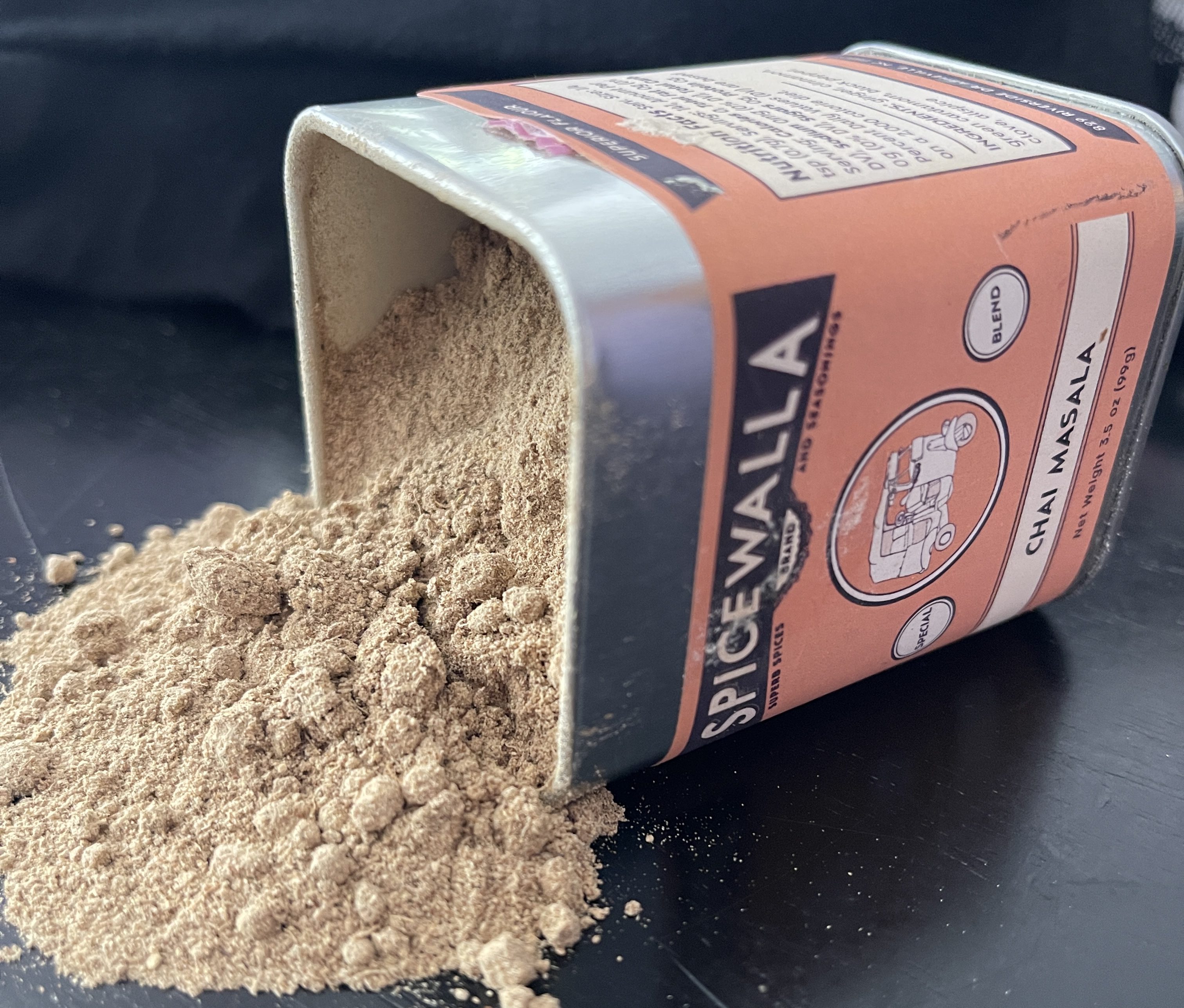
And finally, if your really don’t want to DIY it, Spicewalla does make a delicious ground Pumpkin Pie Spice sold in one of the company’s signature tins. Want to mix it up a bit more, try using Spicewalla’s Chai Masala spice blend in place of Pumpkin Spice in your favorite recipe. The green cardamom packs a most wonderful punch and it brings out a whole new set of flavors in the “pumpkin spice” spectrum.
Fresh Pumpkin or Canned Pumpkin: Which Should You Use?
When local pumpkins and winter squash are in season, that’s where I start.
Look for smaller cooking pumpkins at your farmers market rather than the big pumpkins grown primarily for carving. And don’t stop at pumpkin. Butternut and other winter squash can work beautifully in many pumpkin recipes. If you have never enjoyed a Koginut squash, look for those at local markets. slightly bigger than acorn squash, but smaller than most pumpkins, they are delicious.
Looking for a great family adventure to buy local pumpkins this year? Outside of area farmers markets and local farm stands, visit Wise Acres Farm in Indian Trail. You’ll need to make reservations this time of year but they have u-pick pumpkins and flowers and the most delicious pizza, made with local ingredients!
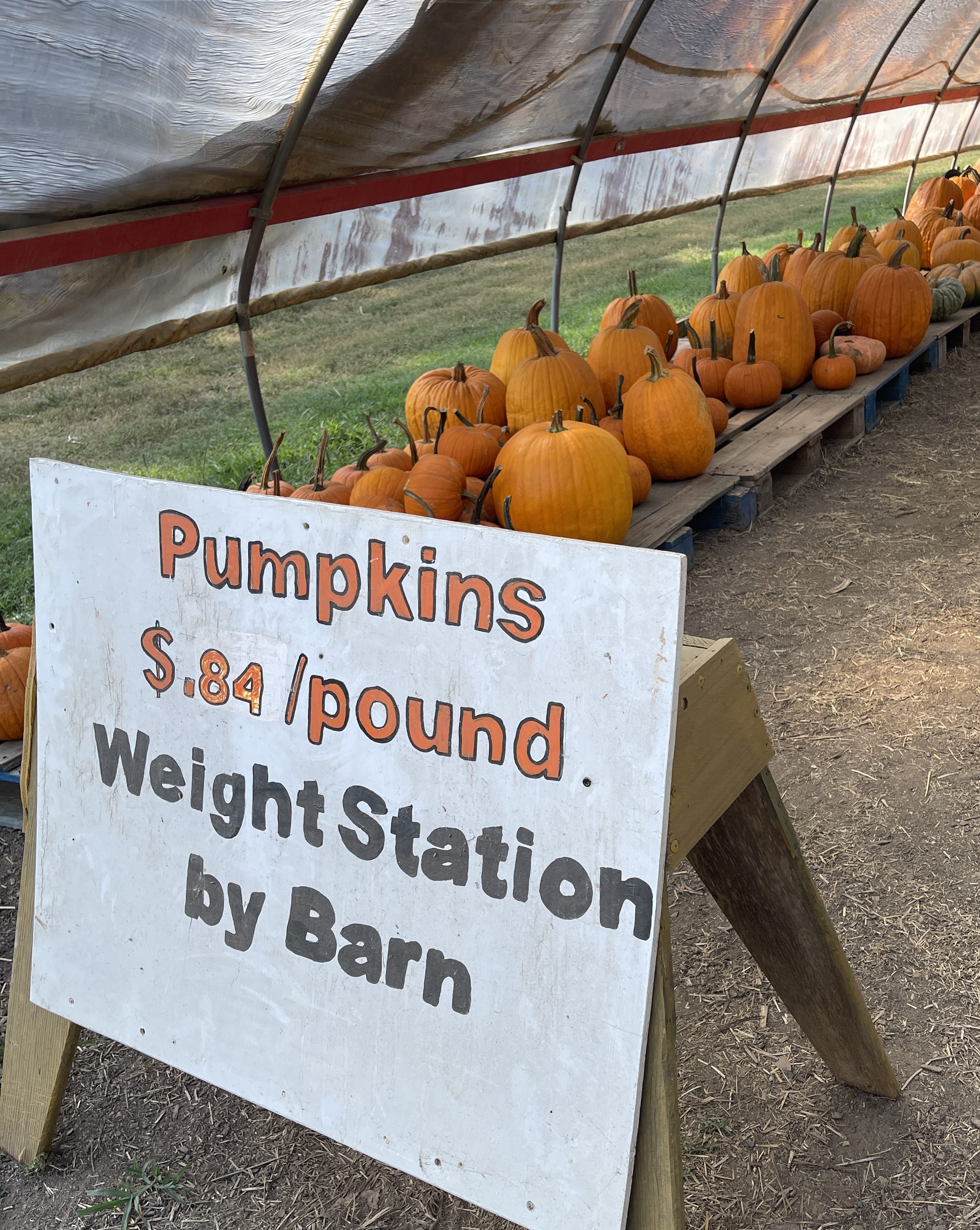
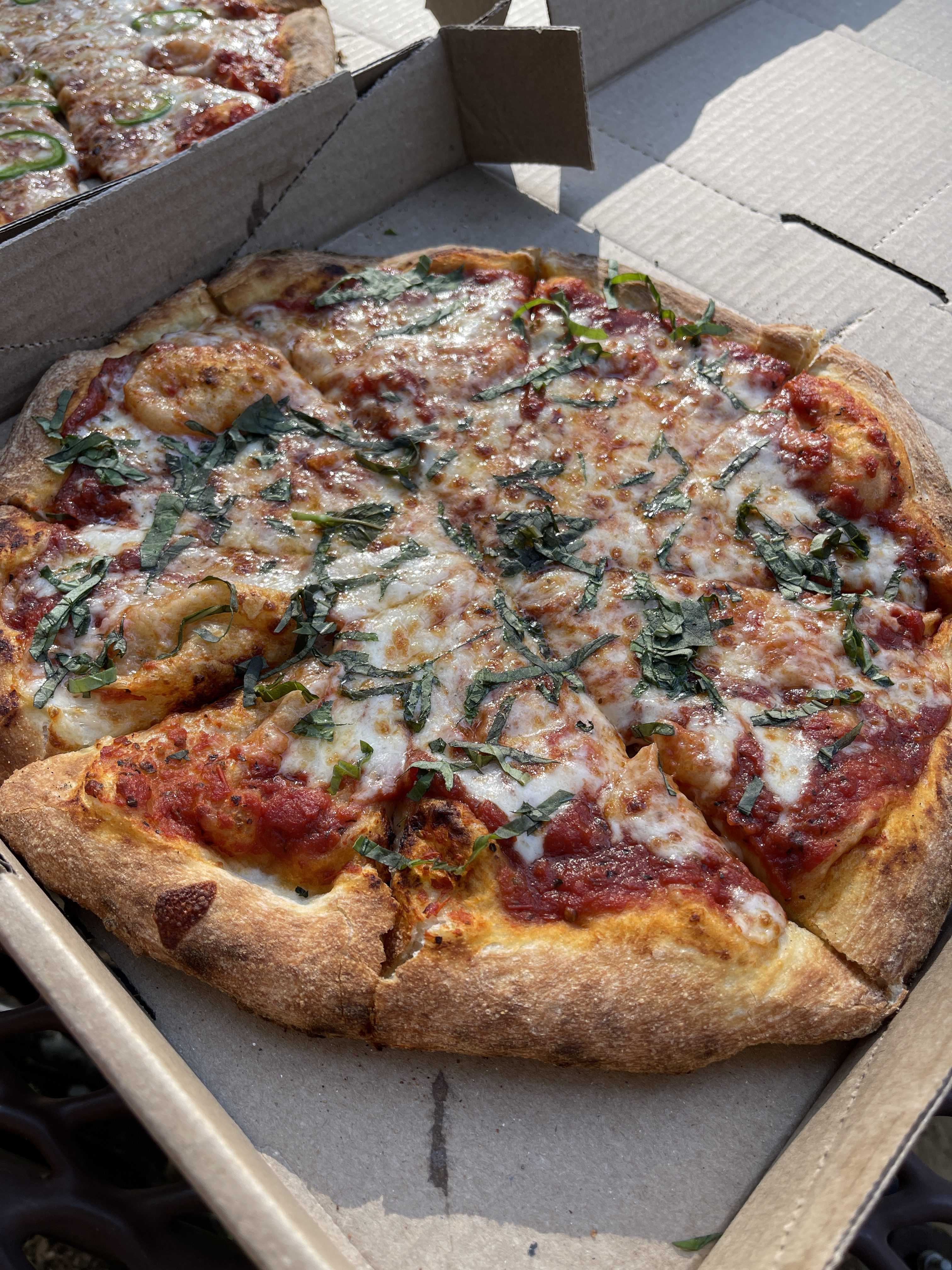
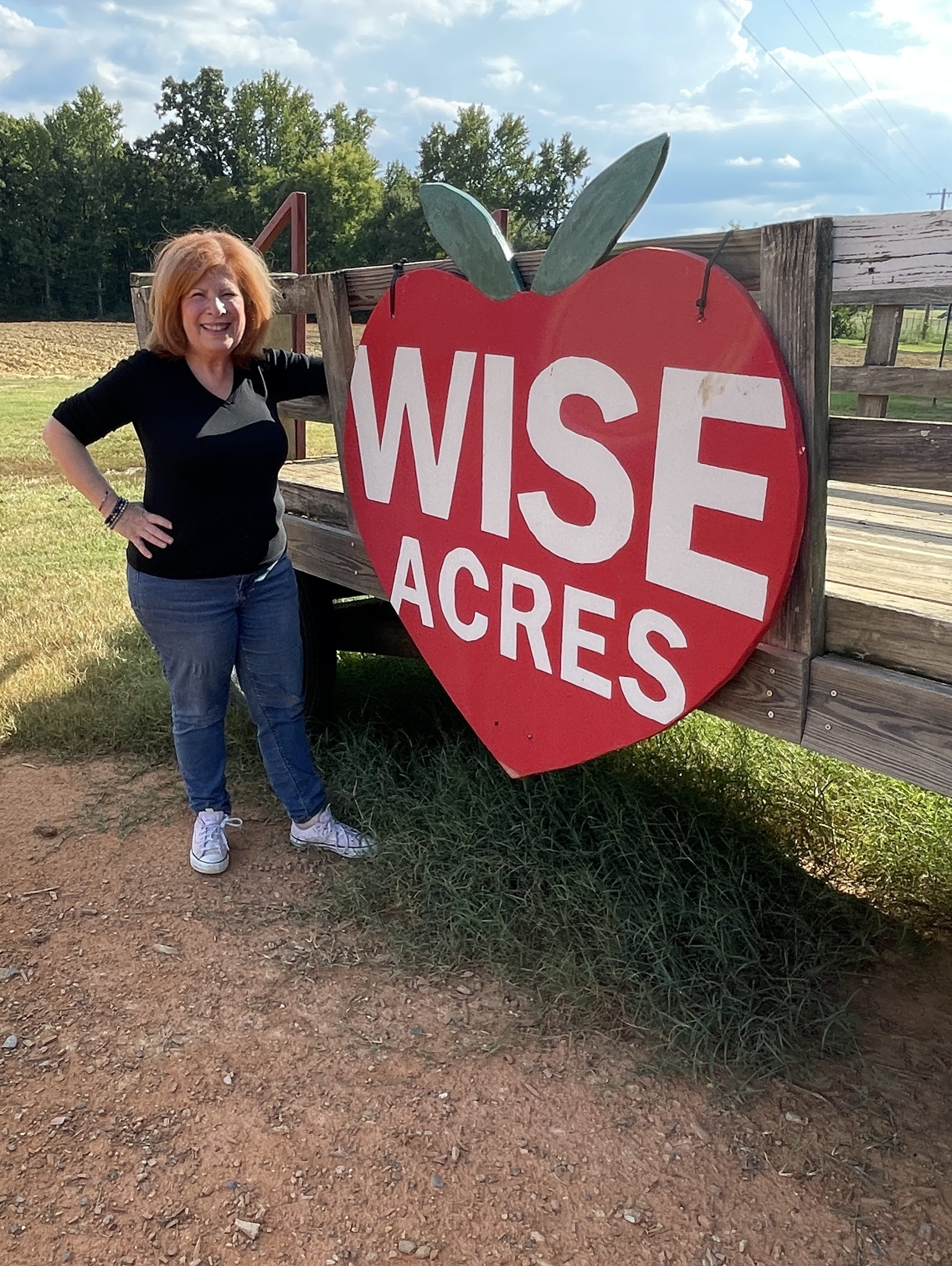
This is their busiest time of the year, but do plan to treat yourself soon!
Once your local pumpkin home…
To make fresh pumpkin puree, cut the pumpkin or squash into manageable pieces and scoop out the seeds. Roast the pieces until the flesh is tender, then scoop the cooked flesh away from the skin and puree.
Or, for more fun and to get the family involved, instead of trying to cut up the pumpkin, particularly a large one, smash it instead.
Put it in a heavy duty plastic garbage bag. Secure the opening. Take the bag outside and toss it on your driveway or sidewalk. Throw it down hard. Now, do it again. And again. The pumpkin will break into pieces. The bag keeps it all contained. Now take it inside, dump it out of the bag and into your sink. Now scoop out the seeds and place the chunks of pumpkin – skin and flesh – onto a baking sheet. Roast in a 375 degree oven until tender (about 45 minutes). It should be about the same texture as a cooked baked potato. Let it cool slightly, then scoop the cooked flesh away from the skin and puree.
Roasted pumpkin purees quite nicely in a food processor fitted with a steel blade, or in a high-speed blender or even in a stand mixer.
If you’d rather use canned pumpkin, that’s fine, too.
Look for plain pumpkin puree rather than anything labeled “pumpkin pie filling”. Plain canned pumpkin gives you a blank canvas, so you can decide how much sugar and spice you’d like to add, or not.
Pumpkin pie filling already contains sweeteners and spices. It works for recipes developed specifically for it, but it isn’t interchangeable with plain pumpkin puree.
This year, consider accepting my DIY pumpkin challenge. Roast and puree a local pumpkin, then freeze what you don’t use. It’s a fun project, and the bonus is you’ll have local pumpkin tucked away in your freezer for recipes all year long.
Can You Substitute Sorghum Syrup for Blackstrap Molasses?
Yes, although the flavors aren’t identical. When a seasonal recipe calls for blackstrap molasses, I generally reach for locally produced North Carolina sorghum syrup instead.
If you’ve followed me for a while, you may remember that I’ve written about North Carolina sorghum syrup molasses before. I’ve used it in everything from making homemade brown sugar to candied bacon, from pumpkin cheesecake to my favorite dinner rolls.
When a fall recipe calls for blackstrap molasses, I generally reach for local sorghum syrup instead.
Sorghum syrup is made from the juice of the sorghum plant. In North Carolina you’ll often find locally produced bottles at farmers markets and farm stores, particularly as you head toward the mountains.
I love its flavor, and I love that it gives me another opportunity to bring a locally produced ingredient into my kitchen.
Use it anywhere the flavor makes sense to you. It’s wonderful in homemade brown sugar and fall baking, and it’s delicious brushed onto roasted winter squash or drizzled onto roasted Brussels sprouts.
And here’s how to use local sorghum syrup molasses to make your own homemade brown sugar.
If you can measure 2-3 Tbsp. of local sorghum syrup molasses into 1 1/2 cups of granulated sugar, you can make your own brown sugar. Simply use a fork to blend the two ingredients together in a bowl until you get a mixture that looks like this:
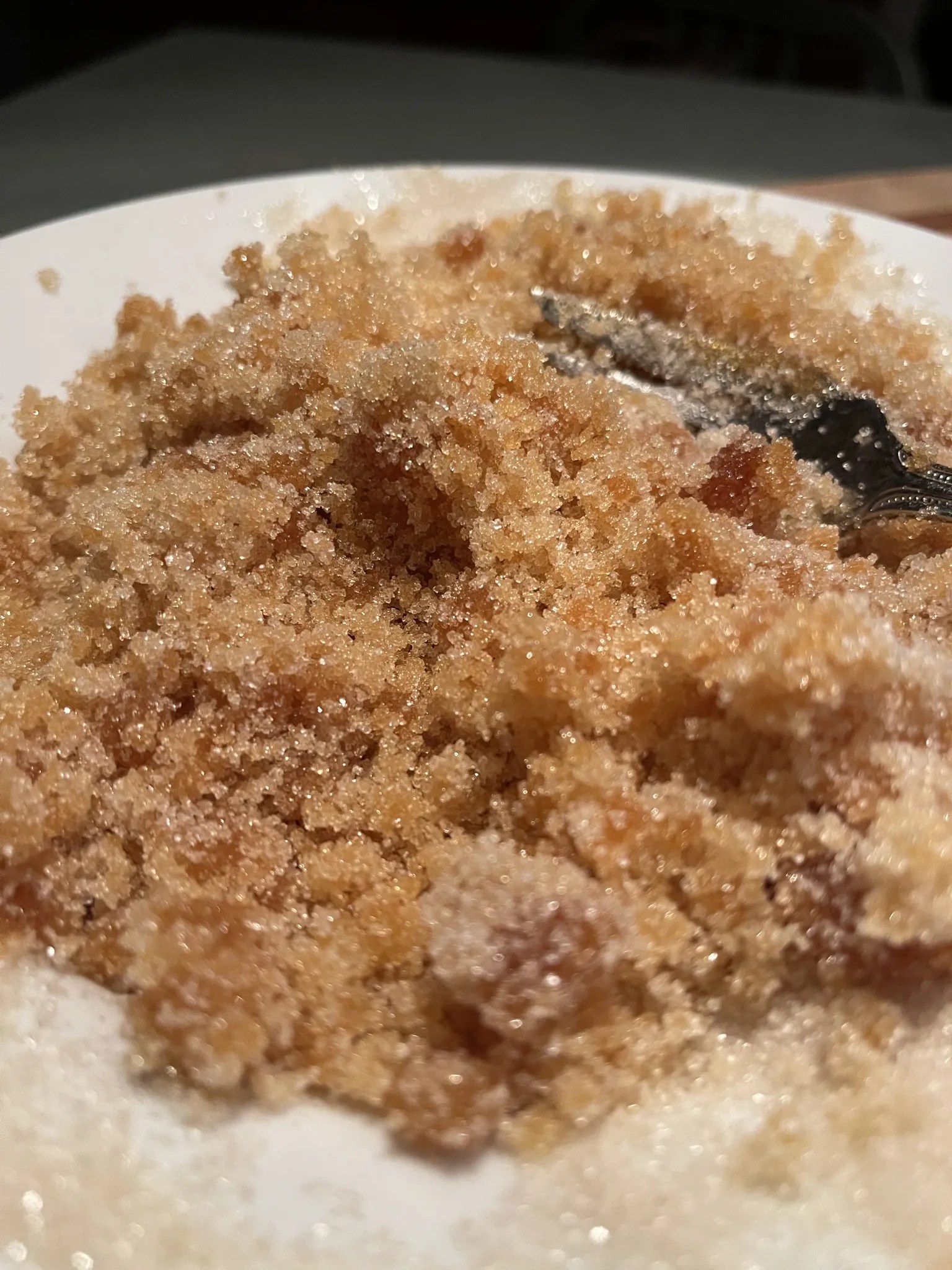
One important note: sorghum syrup and blackstrap molasses aren’t exactly the same product, so the flavor of a recipe will change when you make the swap. For me, that’s part of the reason to use it.
What Fall Flavors Really Are Seasonal?
This is where I think things get particularly delicious.
The spices in pumpkin spice can live in our pantries all year long. Local pumpkins cannot.
Neither can those first local apples that start showing up at farmers markets and farm stands. Fresh-pressed apple cider has its moment, too.
Quick Tip: Make Apple Cider Ice Cubes
Do you have leftover Apple Cider? Before it turns, pour it into an ice tray and freeze. Enjoy these sweet, rich appley ice cubes in a wine glass with a pour over of your favorite sparkling NC Wine.
Pro tip: Rim the glass first with a sugary blend of Pumpkin Spice and enjoy!
Or, pop a bunch of apple cider ice cubes in the blender and make your own seasonal slushies. Oh my, what a great way to drink locally!
This is the part of cooking with local ingredients that I look forward to most.
Seasonal cooking isn’t about a date on the calendar for me. It’s about paying attention to what’s being harvested around us.
When local pumpkins arrive, let’s cook pumpkin.
When North Carolina apples are being picked, I’m ready for apples.
And when someone hands me a hot apple cider doughnut at a local orchard, I am always here for it!
Where to Find Local Apples Near Charlotte
If you are in the Charlotte area, fall is a wonderful time for an apple road trip.
Just across the state line in York, South Carolina, Windy Hill Orchard & Cidery makes an easy day trip from Charlotte. Their apple harvest varies from year to year, so check what’s available before you head out.
For a North Carolina apple adventure, head west toward Hendersonville and Henderson County, where orchards and farm stands make it easy to spend an entire day tasting your way through apple season.
Or head to the Heart of North Carolina in Randolph County where you will find nearby Millstone Creek Orchards in Ramseur NC for lots of delicious family fun.
Apple harvests depend on Mother Nature, so availability can change quickly. Check directly with the orchard before you make the drive, particularly if U-pick apples are your reason for going.
Then, go have some fun.
Looking for hard NC Ciders? Visit NCWine.org
There is a lot of deliciousness to choose from here and you’ll find them all listed at NC Wines.org. Don’t let the fact that the name here is “NC Wines”. All North Carolina wines, ciders and meads fall under this drink local umbrella.

While you are in the site, take a look at the new NC Wine Pass. You can create your own tasting journey, with a visit of up to six participating wineries, cideries or meaderies that have been recognized by the NC Wine Competition!
You will be blown away by all the great information and wonderful tasting notes you find here.
So, Do We Really Have to Wait for Pumpkin Spice Season?
Nope.
And I invite you to join me in celebrating this spice blend all year long.
If pumpkin spice sounds good in February, make pumpkin spice and enjoy.
But when local pumpkins begin arriving at the farmers market in the fall, that’s something different. That’s a season I want to celebrate while it’s here.
This is why I love cooking seasonally in the first place. There is always something coming into its own.
Right now, at the beginning of October, it’s pumpkins and winter squash. Roselle and local chestnuts are on trees and appearing at local markets. Apples are having their moment, too. And locally made sorghum syrup is ready for all sorts of sweet and savory cooking.
So make a little jar of pumpkin spice. Keep it in your pantry and use it when the mood strikes.
Then head to your local farmers market and see what’s actually in season.
That’s where the fun really begins.
Homemade Pumpkin Spice FAQs
Does pumpkin spice actually contain pumpkin?
No. Pumpkin spice is a blend of dried spices traditionally used to season pumpkin pie and other recipes. The exact blend varies.
How long does homemade pumpkin spice stay fresh?
Ground spices are best when they’re fresh and fragrant. Make a small batch, keep it tightly covered and give it the sniff test before using. If you can barely smell it, it’s probably time for a fresh batch.
Can I use fresh ginger in homemade pumpkin spice?
Yes. I actually love using fresh ginger in mine. Because fresh ginger adds moisture, store that version in the refrigerator or freezer rather than in your spice cabinet.
More About Heidi Billotto

I’m Heidi Billotto, a Charlotte, NC-based food and travel writer, cooking instructor and the Executive Producer of the NCRLA Chef Showdown. Much of what I do comes back to the same thing: connecting people through food.
Over the years, I’ve built wonderful relationships with small family farmers, chefs, independent producers and makers across North Carolina and beyond. I love sharing their stories, introducing you to the people behind the food we eat, and showing you how to bring local ingredients home to your own table.
I write about food and food-focused travel, teach cooking classes, appear on television and radio, and spend a lot of time at farmers markets. Curiosity usually leads the way. I want to know who grew it, who made it, where it came from and, of course, what we can cook with it.
I love what I do, and I love sharing the people, places and food I discover along the way with all of you.
And whenever you see those five little words, #TellThemHeidiSentYou, know that they are my personal seal of approval. It means I have been there, I believe in the folks behind it, and I am sending you their way with my whole heart.
So go on… go on. Visit the Spicewalla store and pick up the spices you need to make your own homemade pumpkin spice. Shop for local pumpkins at area farmers markets and farm stores. Pour a glass of North Carolina wine, cider or mead. Shop and support local businesses. And, when you do, be sure to…
#TellThemHeidiSentYou